




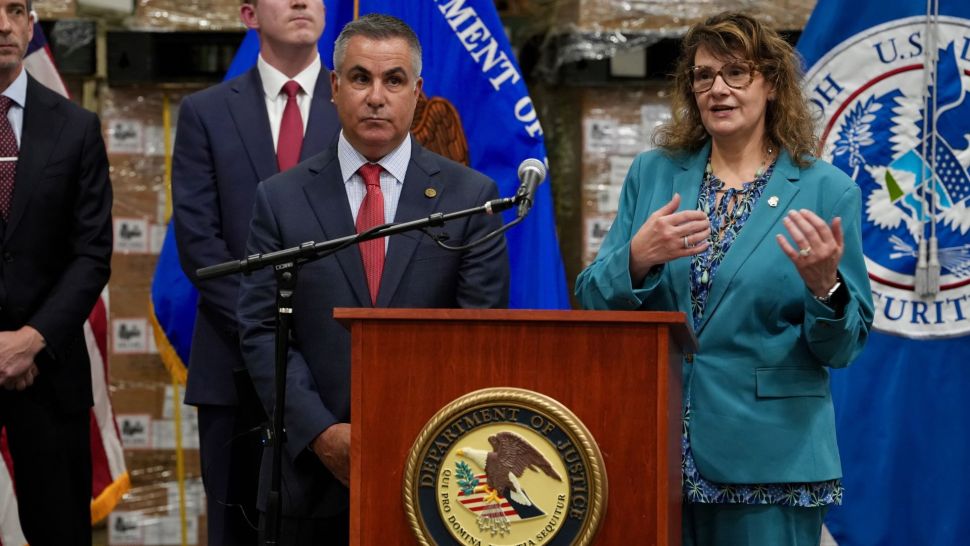
A Taiwan-based manufacturer of light-emitting diodes and its Texas-based subsidiary have agreed to pay the U.S. government $5.15 million to resolve allegations the companies knowingly failed to pay duties on LEDs imported from China, the Department of Justice said Wednesday.
The settlement with publicly-traded Everlight Electronics and its Everlight Americas comes three weeks after the announcement that the Justice Department’s Trade Fraud Task Force had surpassed more than $1 billion in civil and criminal recoveries, penalties, forfeitures and publicly charged losses since its launch in August 2025.
The agreement resolves a whistleblower investigation into whether Everlight knowingly misrepresented the country of origin on Chinese-made LEDs between July 2018 and January 2022 to avoid paying Section 301 tariffs on Chinese goods. U.S. Customs and Border Protection alleged that Everlight knew the products were made in China and then transshipped to Taiwan before being shipped to the United States. Under Section 301 of the Trade Act, the government can impose trade sanctions on foreign countries that engage in unfair trade that harm domestic industries
The settlement also resolves allegations that over a nearly four-year period ending in November, Everlight continued to import LEDs from Taiwan, some of which included Chinese-made components that weren’t segregated from Taiwanese-made components during manufacturing.
The Department of Justice launched a cross-agency Trade Fraud Task Force one year ago to enhance efforts to combat and prevent trade fraud, which deprives the government of revenue, hurts domestic sellers, and undermines regulations designed to protect consumer safety and national security. The incentive to cheat escalated last year after the Trump administration imposed sweeping tariffs at various levels on China and dozens of other trading partners.
The task force helps augment coordination within the departments of Justice and Homeland Security to pursue enforcement actions against parties that try to evade duties and tariffs, or smuggle prohibited goods into the country through transshipment, mislabeling and false declaration. Its mandate covers the entire supply chain, including importers, customs brokers, downstream distributors, end-users and others who profit from illegal imports.
“For too long, fraud actors have viewed customs violations as a mere surcharge or cost of doing business,” said Assistant Attorney General Colin McDonald of the Justice Department’s National Fraud Enforcement Division, in a statement last month. “By utilizing the Department’s full weight, we are making it clear that trade fraud is a serious economic crime. This billion-dollar milestone demonstrates that the United States and the National Fraud Enforcement Division will no longer allow the integrity of our country’s borders and markets to be compromised for illicit profit. This message should be heard loud and clear by all supply-chain actors.”
Why It Matters: Import fraud hurts businesses that play by the rules, so they want to see bad actors punished. But as the U.S. government hikes tariffs on many countries, the motivation to skirt the rules is higher.
Last month, Dallas-based Seafood Supply Co., was sentenced to pay a $250,000 fine for violating two counts of the Lacey Act. According to court documents, Seafood Supply falsified the country of origin of salmon sold over two years. The company would designate Chilean salmon as salmon from Scotland or other European countries. Typically, Chilean salmon was less expensive than products from Scotland and thus subject to lower duty payments.
Major settlements secured by the Trade Fraud Task Force include the collection of $549.5 million from Perfectus Aluminum for a scheme to evade antidumping and countervailing duties on aluminum extrusions; a $6.3 million fine against Boise Cascade for illegally importing birch plywood in violation of the wildlife-focused Lacy Act; and a $54 million settlement with Ceratizit USA to resolve allegations of knowingly failing to pay duties on tungsten carbide products imported from China.
RELATED STORIES:
Plastic bag manufacturer settles allegations of customs fraud for $7.3M
Brokerage Compliance Symposium
The day before F3. Every compliance issue you face - fraud exposure, carrier liability, FMCSA rules, cargo theft, insurance gaps - navigated by attorneys and operators defining best practices in a changing industry.
F3 Awards Dinner
The night before F3. FreightTech100 companies honored. FreightTech 25 and Shipper of Choice winners revealed live. Cocktail reception into dinner and live music - 300 industry leaders in one purpose-built room.
F3: Future of Freight Festival
Industry-defining keynotes, rapid-fire technology demos, and industry leaders networking in experiences across Chattanooga - plus the inaugural F3 Awards Dinner featuring the FreightTech and Shipper of Choice reveals.
The day before F3. Every compliance issue you face - fraud exposure, carrier liability, FMCSA rules, cargo theft, insurance gaps - navigated by attorneys and operators defining best practices in a changing industry.
The Signal at Chattanooga Choo Choo • Chattanooga, TN Register NowThe night before F3. FreightTech100 companies honored. FreightTech 25 and Shipper of Choice winners revealed live. Cocktail reception into dinner and live music - 300 industry leaders in one purpose-built room.
The Signal at Chattanooga Choo Choo • Chattanooga, TN Register NowIndustry-defining keynotes, rapid-fire technology demos, and industry leaders networking in experiences across Chattanooga - plus the inaugural F3 Awards Dinner featuring the FreightTech and Shipper of Choice reveals.
The Signal at Chattanooga Choo Choo • Chattanooga, TN Register Now